05 Mar 2026
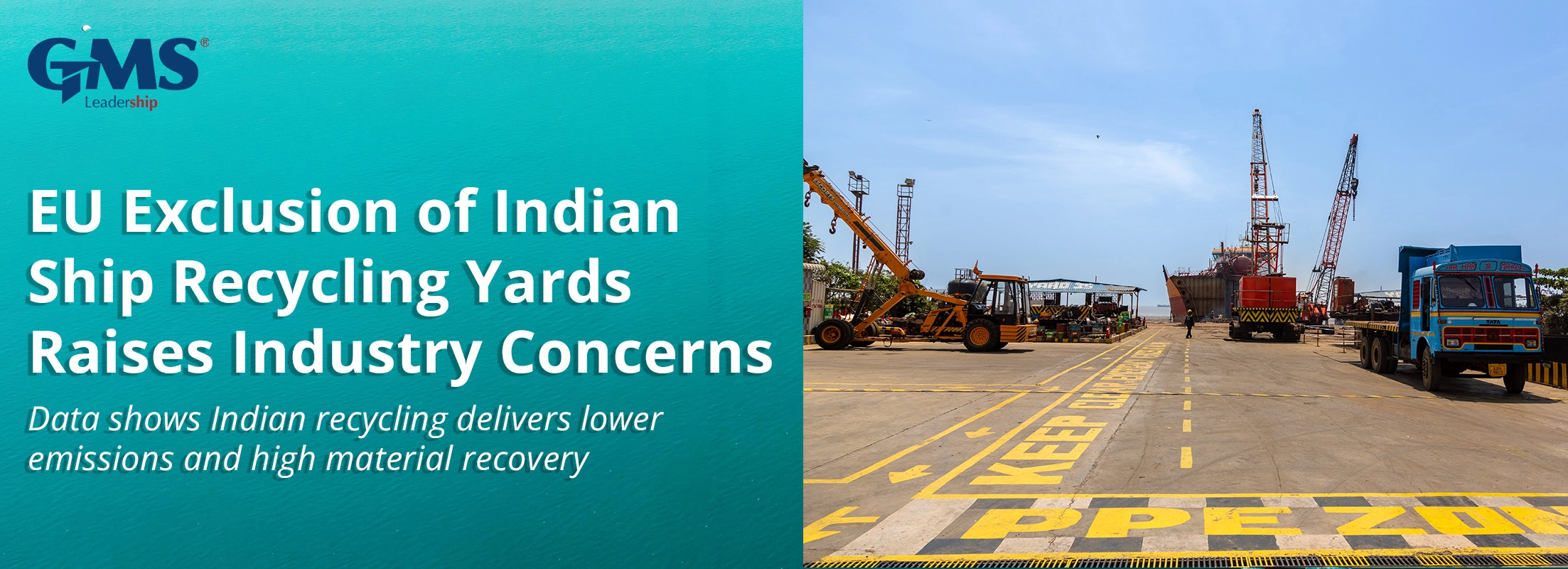
With 110 HKC-Certified Yards, 58% Lower Carbon Emissions, and 98%+ Material Recovery, India has earned its Place on the EU List. Politics says No. The Data says Yes.
Dubai, UAE: GMS, the world’s largest buyer of ships for recycling, today called on the European Commission to approve qualified Indian ship recycling facilities for inclusion on the European List under the EU Ship Recycling Regulation (EU SRR).
Despite more than 110 Indian yards holding Hong Kong Convention (HKC) Statements of Compliance issued by IACS member classification societies, over 35 formal applications submitted, and at least 10 Commission-led inspections and audits, not a single Indian yard has been approved in more than a decade.
This is not a failure of standards. It is not a failure of verification. It is a failure of political will.
India has dismantled over 8,500 vessels across four decades, recovering more than 67 million tonnes of steel. Alang’s annual recycling capacity of approximately 4.5 million LDT already exceeds the combined operational capacity of all facilities currently included on the European List. Yet the European Union continues to exclude the yards that handle most of the world’s recycling volume.
Lifecycle analysis conducted by GMS shows that 75% of hull steel recycled at Alang is directly re-rolled into plate and beam without energy-intensive melting. This reduces CO₂ emissions by about 58% compared with virgin steel production. Indian yards recover more than 98% of all ship materials.
By comparison, most European facilities melt nearly all recovered steel and later export scrap to Asia. In 2023 alone, Europe exported 19.2 million tonnes of scrap metal. The environmental narrative presented in Brussels does not align with the underlying carbon arithmetic.
Transport emissions add another contradiction. Movement of a Panamax bulker to Europe generates approximately 3,800 tonnes of CO₂ before recycling even begins. Diverting a large crude carrier an additional 3,000 nautical miles consumes roughly 600 tonnes of bunker fuel solely for transit. These emissions are built into the current EU framework.
The Commission’s own February 2025 evaluation acknowledged that out-flagging to non-EU registries has significantly weakened the Regulation. In 2024, 80% of global ship recycling tonnage was processed in South Asia, regardless of EU policy. The Regulation is not preventing ships from reaching these destinations. It is ensuring they arrive outside European oversight.
Modern certified yards in Alang operate on impermeable concrete flooring with closed-loop drainage systems. Hazardous materials, including asbestos, PCBs and heavy metals are managed under mandatory Inventories of Hazardous Materials (IHMs) and disposed of through authorised state-controlled treatment facilities.
Standards are determined by infrastructure, enforcement and investment, not geography.
The Commission’s continued refusal to list Indian yards relies on the Basel Convention’s Ban Amendment, which restricts hazardous waste exports from OECD to non-OECD countries. This legal framework was drafted decades before India’s yards underwent their current transformation.
The Hong Kong Convention, negotiated at the International Maritime Organization to establish global ship recycling standards, entered into force on 26 June 2025. India ratified the Convention in 2019, several years ahead of most EU Member States.
Applying a blanket geographic exclusion regardless of actual yard compliance is not regulatory prudence. It is regulatory inertia.
“The yards at Alang have invested heavily, retrained thousands of workers, rebuilt infrastructure and achieved one of the lowest lifecycle carbon footprints of any major recycling model globally. They have undergone repeated audits and received certification from leading classification societies. Yet the European Commission continues to withhold approval without transparent justification. This undermines the credibility of the EU’s own sustainability objectives.” says Kiran Thorat, Trader, GMS
GMS urges the European Commission to:
Approve qualified Indian yards without further delay
Recognize the Hong Kong Convention as the primary global ship recycling framework
Resolve the Basel–HKC regulatory conflict through facility-level assessments rather than geographic exclusion
According to projections by BIMCO, approximately 15,000 vessels will require recycling by 2032. The current European List does not have the capacity to manage that volume. Meanwhile, an estimated 15,000 direct jobs and more than 500,000 indirect livelihoods depend on India’s recycling ecosystem.
The data has been submitted. The inspections have been conducted. The capacity is proven.
What remains absent is a decision.
Contact Us
Ship Recycling TeamContact Us
Ship Recycling Team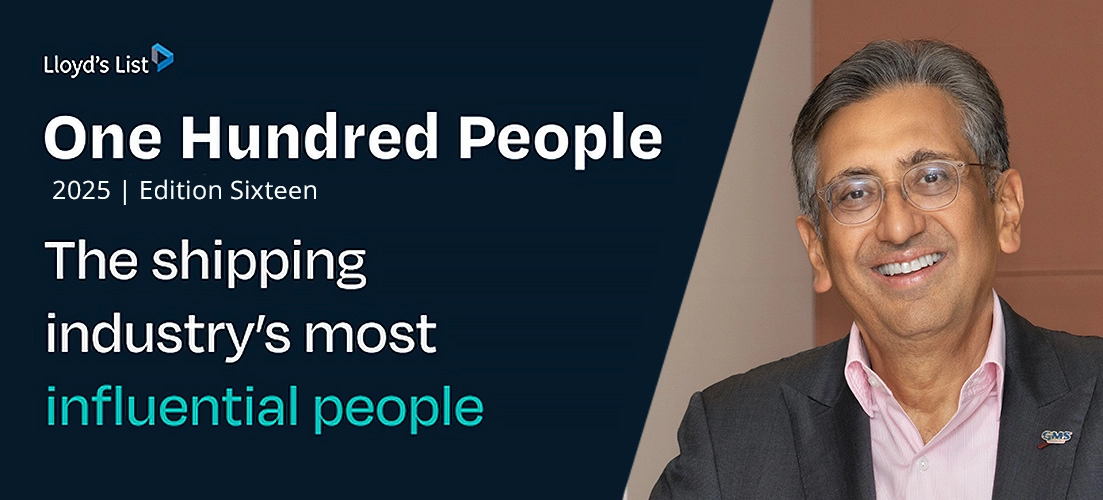
Dubai, UAE - GMS, the world’s largest buyer of ships for recycling, and its shipowning arm Lila Global announce that Dr. Anil Sharma, Founder and Chief Executive Officer, has been recognized in the ...
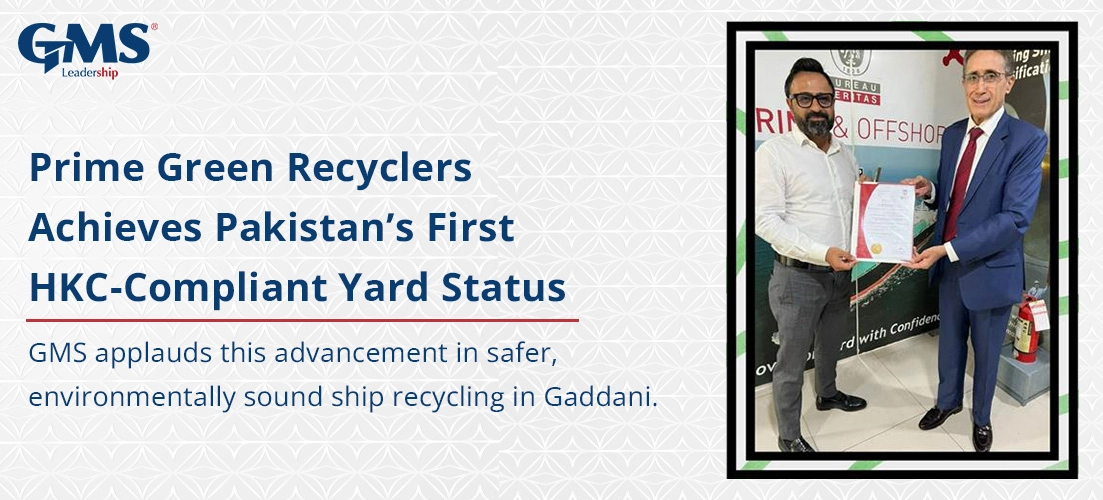
GMS extends its congratulations to Prime Green Recyclers on becoming the first ship recycling yard in Pakistan to achieve full compliance with the Hong Kong International Convention for the Safe and ...


Download GMS App